Showing posts with label Success and Failure. Show all posts

Tuesday, September 30, 2014

More on Rejection

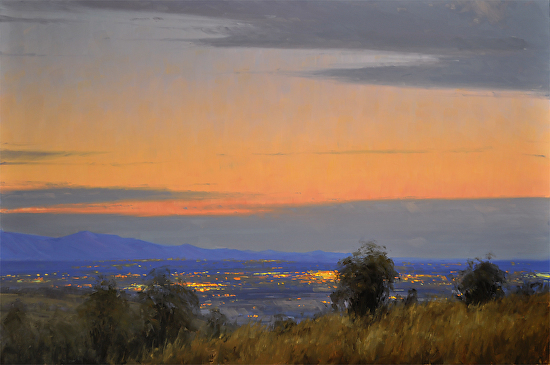
"Epilogue"
Oil on Panel
12x16"
2014

Chances are, if you’re trying to make it as an artist, you’re well acquainted with rejection. 

You've entered your favorite painting into a juried show and gotten an emphatic NO… That gallery that would be the perfect fit just isn't interested in taking on more artists… The museum show you’re dying to break into just doesn't think your work is quite there yet…

It’s the worst, isn't it?

Sure, there might be a couple of superstars out there who have made it big without suffering rejection, but if there are, I haven’t met them. Chances are, most of your favorite painters have been rejected more than you think. After all:

“The master has failed more times than the beginner has even tried” 
                                                         – Stephen McCranie

I wanted to talk about a couple of different topics related to rejection here, just because I find they come up a lot in conversation with my students and friends.

The Positive Side of Rejection

We live in this age of social media where we’re constantly bombarded by people’s announcements of their show acceptances, new galleries, even sales. I love seeing people’s success on display – it’s inspiring – but it doesn't show the whole story. For every acceptance that an artist is posting on Facebook, they probably have quite a few rejections as well. But rejection doesn't sell, so no one’s talking about it. No one wants to talk about it. 

I do, because I think it’s part of the whole picture.

A while back, I posted a picture of my many juried show rejections in an attempt to be transparent and encouraging. I get emails every once in a while from people who think I’m crazy to put my rejections out there in public in front of everyone, and suggest I take that post down. Personally, I think that’s bunk – I have a strong resume, I work with great galleries, my paintings are selling well. I work hard to build my brand and increase the value of my work, but I see no need to pretend I've never been rejected.

Without rejection, I wouldn't be the painter I am today. It’s what spurs me on to improve. It’s the honest feedback I need that tells me every once in a while that I’m still not where I want to be.

When you get rejected, USE IT.

Don’t get bitter, don’t get mad, don’t give up on entering shows. Spend a day wallowing in your dejectedness, then focus your energy on transforming that feeling into something positive. Use all of that energy you might use being bitter, and instead go hit the studio and analyze your paintings. Think hard. Figure out what you need to improve. If you can’t figure it out, ask someone you respect to give you a critique. Then, go to work. Paint until you've figured it out. It might take a while, and it might be frustrating, but paint until your paintings are better.

This is one of the most important skills you can have as an artist. Take that negative input, and use it as a catalyst to make better paintings. It will make you a better painter, I promise.

Embrace rejection for the gift it can be.

The Numbers Game

I was invited to be on the jury for a couple of national shows this year, and jumped at the opportunity. I wanted to see what jurying looks like from the other side, and quite frankly – it was eye-opening. I will never feel quite so sensitive about being rejected from a big show again, and for that I’m extremely grateful for the experience. I wanted to share some behind the scenes info to give you an idea of what you’re up  against when you enter a big show, in hopes that it might help you process the outcome a little bit differently in the future.

First, when you enter a big national show, there are usually thousands of entries, and only a small percentage get accepted. I know you know that already, but I want to put it into perspective for you with some real numbers, from a real show.

The first show I juried this year had 2,200 entries. In the first round, the jurors basically said “yes” or “no” to each painting. The 500 paintings with the most “yes” votes made it onto round two of jurying. In round two, the jurors scored each painting on a scale, and their scores were then averaged to determine the top 200 paintings for the show.

When I ranked the top 500 for round two, I was amazed at the quality of the work submitted. When I looked at my final scoring summary, I had given over 350 paintings scores that I considered high enough to say, “this painting absolutely deserves to be in the show!” Only 200 of those got in. If you do the math, over 40% of the paintings I considered good enough for the show didn't make the cut. When I saw the final show, I was bummed that some of my favorite paintings had not made it (the jury’s results are averaged).

What does that mean to you?

Well, you might enter your best painting, and it might indeed be good enough to be in the show, but it might not make the cut anyway. There just isn't enough space for all of the good paintings to make it. The higher the caliber of the show, the more this is true.

The takeaway? Work to make your paintings so good that they can’t be rejected. Not just good, but GREAT.

Out of those 500, I gave about 25 the highest possible score. To me, those paintings were an absolute, no questions asked, emphatic YES! They were modern masterpieces.

It’s the same thing with galleries. Yeah, you get rejected when your work isn’t strong enough. But sometimes you’re the person who gets rejected because they already have too many landscape painters, or they have another person who uses thick paint, or they simply don’t have space for another painter.

Approach it the same way – make your paintings so good that they can’t be rejected. Not just good, but GREAT. I don’t know a gallery out there that wouldn’t jump at the chance to carry someone that they consider to be a master. They’ll make room, if you’re all that. So get to work, and try to BE all that.

Don’t focus on that other artist they carry who isn't as good as you, or that person who got into the show with their best painting even though the rest of their work is awful. Focus on YOU. Focus on your WORK. And get better.

The Moral of the Story?

We all get rejected, I promise. It’s what we do with it, that determines where we go.

Go forth, be positive, and USE IT.

Wednesday, August 07, 2013

Keep Your Eyes on the Trail

"City Lights"
Oil on Panel
24x36"
2013

When I moved to Evergreen last summer, I took one look at all of the fantastic trails out my back door and decided it was time to learn how to mountain bike. If you know me in real life, you know that I can be a bit clumsy (EXHIBIT A: broken wrist this summer), so maybe this wasn't the most logical of ideas, but who needs logic when awesome trails are involved, right?

(Disclaimer: I promise that this post has everything to do with your art career and not as much to do with biking – trust me and keep reading!)

Since I’m kind of a klutz and not the most athletic person in the world, I immediately signed up to take a skills clinic so I could have someone tell me how not to kill myself while hurling myself down mountains on two wheels. I showed up the first night thinking we were going to practice wheelies and drops and how to muscle our way over rocky obstacles, but instead we headed up a pretty mellow trail and worked on some things that seem really basic, but make EVERYTHING else about mountain biking come easier once you've figured them out.

The one that was the biggest challenge for me? 

FOCUS YOUR EYES ON WHERE YOU WANT TO GO. 

Don’t look down at the rock you’re about to ride over. Don’t look at that tree on the side of the trail that you want to avoid. Don’t look down in the middle of that switchback. Instead, look down the trail at where you’re headed.

Here’s the deal:

As soon as you focus on that rock you’re trying to clear, you’re going to lose your equilibrium and come to a stop. As soon as you look at that tree you’re trying to avoid, your brain is going to make your body head that way and you’re going to clip your handlebars. But if you keep your eyes on the place you want to end up, your brain is going to get you there. The body is amazing like that.

Now, every time I’m out riding the trails, I’m constantly reminding myself to focus on where I want to go. It doesn't come naturally to me. And every time I do this I start thinking to myself what an awesome metaphor the whole thing is for how to handle a career in the arts.

Do you see where I’m going with this?

Being an artist is tough. There are obstacles. There are always new things you’re trying to achieve. And to make things more complicated, you’re constantly surrounded by other awesome artists who are making all of those things look really easy.

Enter frustration.

I see a lot of artists who are so focused on getting into a certain show or gallery that they lose sight of where they want to go. They focus on those things so much that when they don’t get in, they’re crushed and can’t figure out what to do next. They don’t know where to go.

I see a lot of artists who go to shows and keep track of every painting that sells, making a mental note the entire time of who is selling and who is not. And when they happen to be the artist who isn't selling, they get so focused on the guy who is that they make themselves miserable. They put so much energy into keeping tabs on the other artist that they lose sight of where they want to go.

I see a lot of artists who take a few workshops and get inspired, then go home and hit the studio only to paint a bunch of scrapers. Instead of seeing each failed painting as a learning opportunity, they get upset that it isn't coming easy anymore, and as those scrapers pile up on the studio floor they lose their motivation to paint. They’re so focused on results that they completely lose sight of where they want to go.

When you lose sight of where you want to go, you lose your equilibrium. You forget that you love to paint, that you have the best job in the world. You stop working. You find something easier. Essentially, when you focus on the wrong stuff, you fall.

Usually in art, it really isn't about where you are and what you’re doing RIGHT NOW. It’s about knowing where you want to be.

What is your vision for your art, ultimately? What is your vision for your career, long-term?

If you start focusing on all the little obstacles along the way, you’re going to lose your balance and fall. But if you keep your eyes focused on where you want to be, you’ll get there eventually.

I promise.

Monday, July 08, 2013

Persistence

Because sometimes a picture is worth a thousand words:


Every time I log onto my Juried Art Services account to enter a show, I see this list of my entries and have a good laugh.

See all those red x's? Those represent years of rejection.

I know a lot of artists who take it personally when they don't get into a particular show, but here's the deal - behind EVERY artist you see posting excitedly about their latest show acceptance on Facebook, there is a long list of rejections. Rejections from shows, galleries, whatever. And every successful artist had to brush off those rejections and keep trying to get to where they are today.

So, even though it sucks when I don't get into a show, I try not to take it personally. That show up there that I got rejected from for five years in a row? I got into it the previous two years and won awards. Totally unpredictable.

You have to laugh when you fall, brush yourself off, and keep on trying. And also, just use it as motivation to make your paintings even better - sometimes getting better is the best revenge.

Sunday, June 23, 2013

Just Let it Go


The DeWalt Sander - one of my most valuable studio tools!

I'll never forget the first time I saw Quang Ho give a demo. He was painting from a model at the OPA national show with a huge audience, and when he was about 45 minutes into the painting, he decided that he wasn't quite happy with the eyes and wiped the whole thing down to canvas and started over. The entire audience gasped in horror (it looked great to us!), and he proceeded to tell everyone that the biggest mistake you can make in painting is to get too attached.

It made a huge impression on me because at the time I was the poster child for getting too attached to my paintings. If I painted a scene and liked one little thing in it (the color! the sky! that tiny brushstroke in the corner!), I would get all invested in it. I just couldn't let go. And even if everything else in the painting went wrong, I couldn't bring myself to scrape it or set it aside. And so I ended up with a LOT of mediocre paintings. A lot of mediocre paintings with a couple of small parts that worked, and a whole lot of big parts that didn't work at all.

Since then, I've learned to let go. When something isn't working, I'll scrape it and start again. When a finished painting doesn't do it for me, I'll trash it, no matter how many hours of studio time it took me to paint it. And if a painting has been floating around my galleries for a few years without selling, I have no problem getting rid of it.

I still can't paint like Quang Ho, but being able to let go has made me a better painter. It allows me to move on, and leave failures in the past.

When you get too attached to your work, you are subconsciously embracing failure. It's difficult to improve when you're surrounded by things that didn't quite work.

I spent three hours this morning sanding down a pile of rejected paintings that has been growing in the corner of my studio for three years. There's something amazingly cathartic about watching hours of struggle disappear into a ghost of an image. Without that pile of bad paintings on the floor, I can go into my studio without seeing failure blinking at me from the corner of the room. I can move on, get better.

And I'm not gonna lie, it's nice to have a fresh stack of panels to paint on without having to spend hundreds of dollars on new ones. I'm cheap!

Do you get too attached?


Sunday, February 08, 2009

Words You Can Relate To

"The Valley Floor"
Oil on Panel
30x24"
2009


I posted this quote on my Facebook page last week, but figured I would post it here as well - I think a lot of artists who have been at it a while can relate to this idea:

"Painting is easy when you don’t know how,
but very difficult when you do”
- Edgar Degas

When I first started painting, I knew that I had a long way to go, but I didn't really think of painting in terms of difficulty. It was a hobby - it was fun! As a beginner, it's easy to be pleasantly surprised when anything turns out well, and I would be thrilled even if only a portion of my painting turned out the way I wanted it to.

Now that I've been at it for a few years, I've lost a lot of that naivete. The more I learn about art, the more distance I see between my current abilities and where I'd like to be. And as time goes by, my standards for what goes out the door get higher and higher (the cringe factor, I guess).

I find myself painting slower. I used to pride myself on the fact that I could knock out an 18x24" in a day, or a small study on location in an hour. Now I'm more aware that it's the quality of what I paint that matters, not the quantity (especially in this type of economy!). I find myself spending a week on a 24x30" or 30x40" painting that might have taken me half the time a year before. I scrape things more - rather than being satisfied with "almost" I try my best to get things right.

Painting is still fun, but it has become more of a challenge, and as such has also become that much more rewarding. I just have to find balance between striving to improve, and getting down on myself for not being where I want to be. The former is constructive, while the latter can be frustrating and completely detract from my efforts when I let it affect my mood. It's a tough thing to balance, and sometimes I let the negativity win.

This was a tough week for me - I was tired and cranky and had to remind myself not to get down on myself too much. I had to remind myself that if I'm being critical of my own work, it's probably because I'm improving. I found a bit of comfort in this quote - knowing that I'm not the only artist in the world who struggles with these things made me feel better, get out of my head, and step back up to the easel.

Saturday, December 20, 2008

Mentorship

"Silence"
Oil on Panel
18x24"
2008


I’ve mentioned in passing here that I’ve spent the last six months participating in a mentorship program with artist Jay Moore, and I’ve had a bunch of you ask me to share more information about what I’ve been doing, so here it is. Bear with me if this gets really long – I might ramble (not like that’s anything new), because what I’ve been doing is important enough to me that I’ve devoted half a year to it, so I might have a lot to say!

Why I Needed This

I’ve had the occasional friend or family member (and even a couple of artist acquaintances) look at me like I was kind of crazy when I said I was doing this mentorship, so let me start by saying this:

As a professional artist, I’m acutely aware of my shortcomings.

Yes, I have the occasional day where I’ve sold a few paintings or been accepted to a big show, when everything is great and I get this feeling that I’m a decent painter. But most of the time, I’m aware that I have a long way to go to become a great artist, and I know that my pursuit of excellence is one that will be with me my entire life. I think that the death of many artists is complacency, and that those who have long and successful careers as artists always seem to me to have a willingness and desire to seek out learning experiences, no matter their level of competency.

I have a bachelor’s degree in chemical engineering (which was no easy feat), but my art education has consisted of four 2-3 day workshops and a couple of figure drawing and painting classes. I’m painfully aware that I am lacking in the art education department, no matter how many books I may have read or paintings I have examined. Seeking out learning opportunities is important for me, because I don’t want this to hold me back in my career.

About a year and a half ago, I was just getting the wheels moving on my career as an artist after officially taking the leap when I had Aspen. I felt like I was floundering a bit and seriously needing some guidance from someone who had been where I was. I didn’t want to sign up for another workshop, because I wasn’t interested in learning another artist’s technique, and what I needed was more than I could learn in a week. I wanted to find someone who would mentor me on a more long term basis so we could see what I was learning and build on it, and also cover some more business related topics. I wanted to improve my painting skills, and get some input on some of the new decisions I was having to make about where to go with my art business.

Who I've Been Studying With

I had taken a couple of short workshops with Jay Moore way back when I was just starting to paint. Actually, I took my first workshop ever with him – I had never painted a landscape, and was totally out of my element, but I came away from that first outdoor painting workshop convinced that I was going to drop portrait painting and paint landscapes from that point on. I remembered that at the time he had talked about a six month mentorship program he was doing with more serious artists, which seemed sort of perfect for where I was at last year.

Now here’s the thing – not all artists are good teachers. And I wanted to make sure I was studying with someone who could TEACH, not just paint well. Because I had studied with Jay before, I already knew that he could teach well, and I knew that his teaching method would be good for the level I was at. If you haven’t had a chance to take a workshop with Jay, he’s got some great videos out that teach some of his big ideas about seeing the landscape. He’s not the kind of guy who picks up your paint brush and shows you how to paint a tree, or a rock, or water – he’s more focused on the fundamentals of what makes a good painting than teaching technique, and to me that’s a good thing at this point. I don’t want to learn some other artist’s technique, and have everyone say, “Man, Stacey really paints like _____” – I want to learn how to paint like ME, but make my paintings as good as possible!

So, I called him up and asked if I could do the mentorship. Turned out that he had a five year waiting list for the one-on-one mentorship, and was tossing around the idea of doing the mentorship with a group this year and video-taping the sessions to make an in-depth teaching series. I said “Sign me up!”, and then waited (not so patiently!) for a year until we started.

What It's All About

The six month long mentorship started in July, with a group of artists of different levels meeting every two weeks for a lecture/critique session. In between each session, we have assignments designed to improve skills in different areas, and it’s been fun to do the program as a group and see how each person has different strengths and weaknesses, and learn from each other’s critiques.

The lectures have been videotaped during every session, and Jay is working to put them together with demos of the assignments to make a series of DVDs that will be available for sale toward the end of the summer in 2009. He’s spent 15 years of his career putting together the material for this mentorship, and has put a lot of thought and effort into the concepts that make up the curriculum. Now that I’ve gone through it, I can say it’s been immensely valuable and that I’m glad that he’s been willing to put forth all this effort and share so much of what he knows. I think that a lot of the material we covered is unique for a painting class, yet valuable for any artist. As soon as the videos are released, you all can bet that I’ll be reminding you they’re available, because I know they’ll be really good!

So, every other Monday night, I drive down to Denver, go to class, and drive back the next morning (thanks to a supportive husband who has no problem playing Mr. Mom when I’m gone). And when I get back, I spend the next two weeks juggling my assignments (often 10-20 hours worth of work) with my other painting commitments (galleries, shows) and trying to be a good mom. It hasn’t been easy to get everything done, considering I only have two full days a week to paint and do the rest in the evenings or when Aspen is napping. It was especially rough in August and September when I did the RMPAP plein air show and had to prepare for a three-person show in October. Luckily, things have slowed a bit since then, and I’ve been able to focus more on the mentorship, and a bit less on the studio painting.

The lectures and assignments have run the gamut of topics, from painting and drawing to advertising and dealing with galleries and collectors. I’ve learned a lot about my shortcomings as an artist, and I feel like I have a lot of ideas and knowledge now that are going to help me throughout my career. Some of the specific assignments are things I know I’ll repeat in the future to brush up on certain skills, and a lot of them have helped me come to some important conclusions about my goals and what decisions I need to make to go where I want to go. I’m a little bit stubborn, so I know that a lot of the lessons I’ve learned in the past six months won’t sink in for a while. The cool thing about that is knowing that even when the mentorship is over next month, I won’t stop learning, and I’ll have the tools I need to critique my own work and learn for years to come.

Doing the mentorship has pushed me to do some things that are outside of my comfort zone, which I’m convinced is making me a better painter. I’ve been doing more plein air painting, doing paintings of subject matter and/or compositions that I wouldn’t have considered before, and working on skills that I might not have thought were important. I’m becoming more conscious of things that didn’t even cross my radar screen as being important in a painting before, that seem to have a huge impact for me now. In the end, I haven’t seen my style shift, but I’ve seen my skills improve, and I think I’m going to be a lot more effective at really saying what I want to say with my paintings once all these lessons have some time to sink into my thick skull.

More than anything, I think it’s been helpful to have someone critique my work on a regular basis. Jay doesn’t let things slide, and he can spot a shortcut or laziness from a mile away, so we don’t get away with a lot – I always come away from our Monday night sessions with my head full of new ideas and things to be conscious of. And sometimes what I think is my best work is met with the most criticism, which has actually been great because I haven’t gotten a critique yet that I didn’t agree with once I thought about it. Of course, now my standards are higher, and I find myself groaning when I look at paintings that I thought were good just a few months ago (the cringe factor, magnified)!

The mentorship is over in a few weeks, and I’m kind of sad because it was such a good learning experience, but kind of happy that I’ll have more time to start applying some of what I learned to my studio painting. As it comes to a close, I’m totally glad I’m made the time to do it – it’s been really valuable. As the economy has screeched to a halt over the past few months, it’s become clear to me that we artists need to focus on quality now more than ever, and I think that this has come along at just the right time for me. I’m thankful to have had the opportunity to participate in a program like this, and thankful to have found someone so generous with their knowledge to help me on my way (thanks Jay!!!).

Wednesday, May 21, 2008

The Cringe Factor

"Below the Divide"
Oil on Panel
24x18"
2008

In her "When Are You Ready" post last month, Lisa Call alluded to the phenomenon where you get to a certain point in your art career and look back and feel embarassed about the work you sold or exhibited previously. I like to call it the "cringe factor", and I'd venture to say that all successful artists feel this way at some point. The way I see it, if you're growing as an artist, you're going to reach a point where the stuff you're doing today is way better than what you did a year ago. It's a sign of growth and improvement, and it's a great way to measure progress.

Does it mean you should hold off on selling your work until you're sure you'll never cringe about it in the future? Absolutely not!! (If that was the case, I wouldn't be able to sell my paintings at all!)

I took my first plein air landscape painting workshop in 2003, and didn't really get into painting landscapes until I took a second workshop in mid-2004. Needless to say, the growth curve has been a little bit steep for me over the past few years. I look back at the paintings I sold when I got into my first gallery, and I can see why they sold, but I also see how much I've improved since then. I have paintings I did for my solo show last November that will probably go in the trash pile when I pick them up from the gallery next week (closing - a whole other story...) - and I only painted them seven months ago!!

Anyhow, one of my favorite ways to see how I'm improving is to tackle a difficult subject more than once, and this painting is one of those subjects. There's something about this location that I just love, but I've painted it three times now trying to get it right. I think it's fun to look at the images of these three paintings and see where I've come from. It gives me some hope about where I'm going!

So, here's version #1:


I painted this in the spring of 2005, roughly three years ago. I exhibited it in my FIRST juried art show ever. Even though it was just a tiny arts council type show, I was so excited to have three paintings accepted that Nate and I went to the opening in Steamboat Springs and had a fancy dinner afterwards to celebrate. I was still doing the corporate engineering job thing, so this was fun! The painting didn't sell, and to tell you the truth, I don't know where it is now. Probably trashed it during our last move? Anyhow, as you can see, it lacks subtlety. The colors are garish and repetitive - not so good. I remember spending hours trying to get that line of blue just right on the water - hehe...

Here's version #2:


I painted this a year later, in the spring of 2006. Same composition, slightly larger canvas. The colors are a bit more pleasant, the water is more realistic, and the brushwork is better. The trees are still a bit repetitive, and I can tell I still have green on my palette because all of the greens are the same. It's a better painting than the last, and it sold quickly. Looking back, I can see what I'd improve, but I also have to try to understand that the collector who bought it saw what they wanted to see in this piece. Hopefully they're still enjoying it.

This is version #3:


I painted it vertically this time to eliminate some of the pines since I wanted to the cliffs to be the center of interest. I'd like to say I've improved a lot in two years. It's subjective, but I do think there's more subtlety and variety in the color and brushwork. I've gotten over my need to always pile on the paint thickly, and started to use thinner paint in certain passages that require some more sensitivity in the edges (this painting probably isn't the best example of that, actually). The trees are better, and I allowed myself to paint the water more loosely so that it wouldn't compete with the center of attention. Overall, I think I did a better job conveying the mood and lighting of this location.

So, the moral of the story is that I may cringe at my older work, but that's a good thing - it means all the hard work is paying off! And I really hope I don't ever get to a point where I'm looking at a painting I did five years ago and thinking it was the best I ever did. As an aside, I had this conversation with a gallery owner once and he was telling me that a well-known painter he represents recently looked at a painting he did the year I was born and said, "That was a damn good painting!" All I have to say is that I can't fathom ever reaching that point, but if I do, it'll be because I'm really old or something. Call me critical, I guess.

Wednesday, March 12, 2008

The Gift of Failure

"Ready to Rumble"
Oil on Panel
16x20"
2008

Man, what did I say the other day to scare everyone away!?! Hehe...

This is turning out to be a crazy busy month on the art front, and I've been feeling a little bit frazzled trying to keep up with the business side of things. Couple that with the fact that I painted two scrapers in the past five days, and I wasn't a happy camper at the end of today's painting session. So, I did what I do when I'm frazzled and cranky and went outside for a run.

While I was running, I started to think about how much it sucks to spend a whole day painting and have it be for nothing. Then, of course, the sun came out and I was reminded that success is having the strength to see the promise in our failures. If nothing I painted ever ended up in the trash bin, I wouldn't be learning or growing. Therefore, I need to view weeks like this as a gift, because my work will be better as the result of the struggle.

I learned how to ski in college, and I'm a bit timid and like to ski nice, safe blue runs. I never, EVER fall, because I like to stay in my comfort zone. Nate reminds me every time we hit the slopes that, "If you're not falling, you're not learning." Drives me insane, but I guess he's right.

Sunday, March 09, 2008

Defining Success

"Isabelle Glacier"
Oil on Panel
14x11"
2008


In her blog last week, Alyson Stanfield posted the following quote to spur discussion on Deep Thought Thursday.

“My only advice is to spend less time thinking about success and put all the energy into making art itself. Otherwise your relationship to your art changes. It becomes less genuine and honest. Art should not be born from a pressure of becoming successful but something deeper. This is always a danger and the cause for mediocrity in art…” – Shirin Neshat

A number of people agreed with the quote, but a number of people also vehemently disagreed, making the case that trying to make a living as an artist in no way diminishes the art itself. The discussion was interesting, and I thought it was funny how so many people on both sides automatically jumped to the conclusion that “success” in the arts was defined in financial terms.

I don’t define the success of my art in terms of money, so my response was a bit different. As a realist painter, I define success by the quality of my work, but if you asked me to write down a set of short-term and long-term goals to be benchmarks of success, I would have a laundry list of items that would include things like getting my work into a high level gallery, having a sell-out solo show, being invited to participate in certain high-profile shows, or having my work in the collection of a museum. These things aren’t on my list for financial reasons, but rather because in the very subjective world of art, these are some objective, measurable goals that I can use to gauge how the quality of my work is improving.

That said, does striving toward these goals take away from the quality of my work? I don’t think so, and I’d actually argue the opposite. Having these goals pushes me to improve my work where I otherwise might conclude that things are “good enough.”

If I were striving for success on financial terms, I might get to a point where my work was selling well and develop a formula for sells and what doesn’t, and stunt my growth as an artist as a result. But if I strive for success on my terms, I’m constantly striving to improve my work.

I’m not going to get into that high-end gallery, or be invited to that high-profile show, or have my painting chosen for a museum collection unless my work merits these things. Defining my success in terms of what others might think of my work is a positive – it gets me out of my own little world, and pushes me to seek out the input that will ultimately push my work to the next level.

I don’t think that’s a bad thing, do you?

At the same time, I like the statement at the end about art needing to be about something deeper than success. If it isn’t, what’s the point? As a representational artist, I spend a lot of time asking myself why I paint what I paint. Maybe I’ll post a bit more on that some other day this week.

What do you think? How do you measure your success as an artist?

Monday, September 17, 2007

Faith, Persistence, and Patience


"Lena Basin"
Oil on Canvas
30x40"
2007


A lot of artists put their blogs out on the web as a marketing tool - a way to get new paintings out there and make an audience for their work. Me?? Not so much. I don't link from my website to my blog, or title it in a way that makes it easy to find if you google my name. Sometimes I question whether I should change that, but for the most part I keep it the way it is because I don't necessarily want it to be read by a bunch of potential patrons.

I started this blog to document my attempt at becoming an artist. The two reasons I keep it up are to record some of my thoughts and feelings so I can see where I've come from, and to put my experience out there for anyone who might think it's remotely interesting or helpful. I want be honest here, or else this has no purpose.

I haven't posted much lately because I haven't felt like I had anything positive to post, and I didn't want to post anything negative because well, you know, you never know who might read this blog. But I feel like I'm cheating myself that way because I think I'm in a spot right now where I'm really moving forward, and I don't want to move on and forget someday what a struggle this part of my career was. So the following paragraphs are going to be me being honest about the status of my career and my feelings. And this post is probably going to be really long and rambling so be forwarned. I just think it's important to be honest, so here goes...

Nate and I keep talking about how stressed we are right now. We're both thrilled to be doing exactly what we want to be doing - him building houses, me painting. But because we both love what we do so much, there's this added level of desperation to make it work, and right now we can't see the outcome. We don't know where we'll be a year from now, or even at the end of this year. We've come to the conclusion that God is trying to teach us a big lesson in faith, persistence, and patience. Faith that we're doing what God wants us to be doing and that it will work out in the end, persistence to get the work done that needs to get done to make it successful, and patience as we wait for the outcome. We've both taken that leap of faith, and we're just hanging in the air waiting to see where we land.

If somebody asked me to describe my life lately with one word, I would choose the word, "overwhelmed." After about a half year of just trying to get my wits about me after quitting my job, having a baby, and moving, I've finally settled into a bit of a routine that has allowed me to feel like I can finally try to move forward and expand my business. I've been spending all my spare time getting paintings ready for my first solo show, and starting to approach galleries to show my work. My mom watches Aspen two days a week for about six hours, and Nate's mom watches her one day a week, so I'm getting more time to paint than I ever have. The other days of the week I spend enjoying my little girl, and squeezing in painting time during her naps and after she goes to sleep. It's tiring, but I love it, and I wouldn't trade it for anything.

The gallery I show in here in Denver is doing a one-woman show for me in November, which I'm totally excited about because it's my first, and also because I'm hoping it'll bring in enough people that there'll be some decent sales. I'm working really hard to put together twenty quality paintings for the show. Once it's been hung, I want to know I did my best. I also just want it to look good and be successful, and I'm putting a lot of pressure on myself to do the best paintings I've ever done. Of course, not every painting is a success, so I've had some moments of frustration, and I have a growing pile of paintings destined for the trash bin. It's a small pile, but I still hate to add to it. At the same time, I think it's important not to get attached to my failures, so into the trash pile they go. Luckily I'm also starting to accrue a big stack of good paintings at this point, and so far I'd say I have about 12 decent paintings done and either framed or ready to be framed for the show.

In the process of getting these paintings done, I think my work is improving. I'm trying to be more sensitive with my brushwork and bring more mood across in my paintings. If it's a rainy day scene, I want it to feel like a rainy day. If it's a bright sunny day, I want it to feel like a bright sunny day. When someone looks at one of my paintings, I want them to feel where I was. I don't just want to copy a photo of a pretty scene. I think this is something that I'm going to work at for the rest of my life, but I feel like I'm at least making some progress right now, which is great.

I'd love to say that all that matters is my art, but with Nate starting his own business right now I actually depend a little bit on my income, so it's important that I'm selling too. Hence the search for new galleries to carry my work.

One of my goals at the beginning of this year was to have representation in a number of regions by the end of the year. I quickly realized I wasn't being realistic, since I had just had a baby and hadn't figured out yet how to find enough time to paint to supply more than one gallery. But after we moved in May I finally got into a groove and started to get a lot of work done, and at the start of August I decided I had enough good paintings in my studio that I could go out and bug some galleries.

Since I'm busy getting ready for the show, I sent packets out to only two galleries. I've visited each numerous times, and felt that my work would be a good fit for the gallery and location, and felt good about the way the gallery was run.

I never got a response from one of the galleries, which is kind of surprising because I enlosed an SASE so they could return my packet if they weren't interested. I don't like to call and bug gallery owners when I get no response - I kind of feel that if they liked my work enough to sell it, they'd follow up. (This goes against everything I've ever been taught when job-searching in and out of college, btw, but it's just how I feel when it comes to my art - I don't want someone selling it unless they want to). So anyhow, who knows - maybe they kept it on file and they'll call me someday. For now, I assume they just aren't interested.

The second gallery is apparently looking for new owners, so they aren't taking on new artists. But they liked my work and went to the trouble of passing on my packet to another gallery down the street. The owner of that gallery then contacted me saying he might be interested in looking at some paintings in person.

I was also familiar with this gallery, and hadn't sent him a packet in the first place because, quite frankly, I felt it was out of my league. It's the sort of place I see my work in a few years down the road, but not now. So I was pleasantly surprised and with a little bit of trepidation followed up and took some work in.

We chatted for a long time about my work and where I think I'm going and the art world in general - I actually felt like I was being interviewed for a job, which I wasn't fully prepared for. It was good though - forced me to verbalize some things about my work that I might not otherwise.

At one point he took some paintings down and hung a couple of mine on the wall. The painting next to them was by a former instructor of mine and had a $50,000 price tag on it. The painting on the other side was a fantastic painting by a favorite artist of mine, again with a huge price compared that what my paintings go for. I cringed as my paintings went up on the wall, thinking they were going to look elementary next to paintings of such a high caliber.

The good news? They didn't look all that bad. I think they actually held their own. They looked simple, but I'm starting to realize that that's just part of my style, so that's okay.

The bad news? He couldn't decide what to do, kept the paintings overnight to think on it, and then called the next day to say he couldn't keep them at this time. In the end, my initial impression that this gallery was out of my league was right on. He just didn't think he could take me on and be loyal to his existing commitments, which is honorable. He didn't have much constructive criticism for me and I came away feeling like my work showed well and I was on the right track. I actually walked out of there feeling pretty good about my work and where I am.

But the thing is (and here's where I get honest), it still just sucks to be rejected. Even when the person likes your work and thinks you have all the potential in the world, it hurts to be told no. I've been trying to be all positive and productive, but underneath it all I'm bummed out. I'm waiting on responses for a couple more things, and I'm just dreading that I'll get another rejection or worse, no response at all, and it's just got me down. But I think that's okay - sometimes it's okay to just feel it when things hurt.

So that's where I'm at right now - I'm feeling that rejection and trying to use it to grow and improve. I have confidence in my work. I think it stands on it's own next to people who have been painting much longer than I have, and I feel like I have a lot of potential. I know my work is just going to get better, and I love working toward that - it's a challenge with every painting. I just wish I could find the right person to see my work and love it and want to sell it for me right now. And it's a struggle to figure out the best way to do that when I'm busting my butt working on the upcoming show.

So anyhow, I've been wallowing in self-pity for the past day or so. I finally decided to just allow myself to be sad and dejected for a while so I could get through it and move on. And it's been good. I finally came to the conclusion that even though I feel like I need to be selling more, I need to table the gallery search until my show is over, and spend this time focusing on putting together a quality show and making sure that people come to see it. I don't want to spread myself thin trying to do both, and then not succeed at all. I'd rather spend the time making sure my first show is a success. After the opening on November 2nd, I'll jump back in to marketing mode and try and get my work out there - for now, forget it.

I'm at peace with that decision, because I think all of this has been pointing me in a direction of focusing on my work alone, and that's a good place to be for now. I've actually started to feel like I want to learn and push myself again, and I've been figuring out the best way to do that. Five day workshops just don't do it for me right now - they're often watered down and I never learn that much anymore. I also want to work with someone who can teach me on a long term basis so that it applies to what I'm doing in the studio, not just what I do on location.

To that end, I contacted a guy I've studied with before who I know does a mentorship program for artists, and I'm planning to go through the program with him along with a few other artists. It's a pretty intense six month program with lectures every week and assignments that will push me in the studio and in the marketing department. I admire his work and his business skills, so I know it's going to be a great opportunity. Unfortunately, it doesn't start for a few months, so I'm on my own until then. Then again, I guess that's a good thing since I'm going to be stressed out to the max getting everything ready for this show!

So, that's the full story of what I'm up to right now - I think this must be the longest post ever. I really really hope that a year from now I'll be able to look back and think that I've come a long way from this point - who knows...